
Someone in Mira Road searches for a cybersecurity course. The results show tools, certificates and promises of a fast career. But the question that matters first is simpler: what should a beginner learn, in what order, and how can they practise without crossing a legal line?
The short answer: build fundamentals before chasing tools. Learn how networks, operating systems and web applications work; practise only in systems you own or have written permission to test; then document what you found and how it could be fixed. That sequence is more useful than collecting commands you cannot explain.
This guide is for learners in Mira Road, Bhayandar and the wider Mumbai area who want a realistic starting point—not a promise of a job, salary or instant expertise.

What cybersecurity actually asks you to learn
Cybersecurity is not one tool or one job title. It includes protecting systems, finding weaknesses with permission, monitoring suspicious activity, responding to incidents and helping teams reduce risk. A beginner does not need to choose a specialisation on day one.
Start by becoming comfortable with the systems you want to secure:
- Networking: IP addresses, DNS, ports, HTTP and how devices communicate.
- Operating systems: files, users, permissions, processes and basic command-line work on Linux and Windows.
- Programming basics: read and modify small Python scripts; understand variables, conditions, loops and simple requests.
- Web fundamentals: browser requests, forms, cookies, sessions, authentication and databases.
- Security habits: least privilege, updates, backups, multi-factor authentication, clear evidence and responsible disclosure.
These foundations are useful in both offensive security and defensive roles. They also make later topics—such as vulnerability assessment, application security or a security operations centre—much easier to understand.
A realistic 12-week cybersecurity learning roadmap
Twelve weeks is enough to build a learning routine and complete a small portfolio project; it is not enough to become an expert. The schedule below assumes regular study time each week. Adjust the pace to your starting point.
Weeks 1–4: understand the ground beneath the tools
Learn networking basics, Linux navigation, Windows users and permissions, and a little Python. Draw a simple diagram of how your own browser reaches a website. Practise reading a request and response in your browser’s developer tools. Keep a glossary in your own words rather than copying definitions.
Weeks 5–8: learn how web security is reasoned about
Study authentication, access control, input handling and security headers using a deliberately vulnerable training application or a lab designed for practice. Keep the exercise isolated. For every finding, write down the affected component, the safe reproduction steps, the impact and a practical fix. The OWASP Top 10 is a useful map of common web application risk; it is a starting point for learning, not a checklist that proves an application is secure.

Weeks 9–12: produce evidence of your thinking
Choose one small, authorised project and finish it properly. For example, review a local training application, write a basic parser for sample security logs, or create a checklist for securing a personal test server. Include the scope, what you observed, the risk, a remediation idea and what you learned. Remove passwords, personal data and other sensitive information before sharing a project.
Defensive learners can also explore the NIST Cybersecurity Framework to understand how organisations describe cybersecurity outcomes. For Indian advisories and updates, consult the official CERT-In website.
Practise legally: permission is not optional
A public website is not a practice lab. Do not scan, test logins, change data, bypass access controls or run security tools against a website, Wi-Fi network, account or device unless you own it or have clear, written authorisation that defines the scope. A course enrolment or a bug bounty account does not grant permission to test targets outside that programme’s rules.
For practice, use purpose-built labs, local virtual machines and systems where you have explicit permission. Keep notes, avoid real personal data and stop if the activity moves outside the defined scope. Ethical work means respecting both the system and the people whose data it holds.
How to choose a cybersecurity course in Mira Road
Before enrolling anywhere—locally or online—ask practical questions. A useful programme should be able to explain:
- Which foundations are taught before specialist tools?
- Are hands-on exercises isolated, intentionally vulnerable labs with clear permission?
- Will someone review your work and explain how to improve it?
- What are the total fees, schedule, learning format and any additional costs?
- What does the certificate represent, and what does it not guarantee?
Be cautious of claims that a short course guarantees a job, a particular salary or instant expertise. A certificate can document learning; it cannot replace fundamentals, practice, communication or an employer’s own selection process. Ask for current details in writing and compare the syllabus—not just the headline.
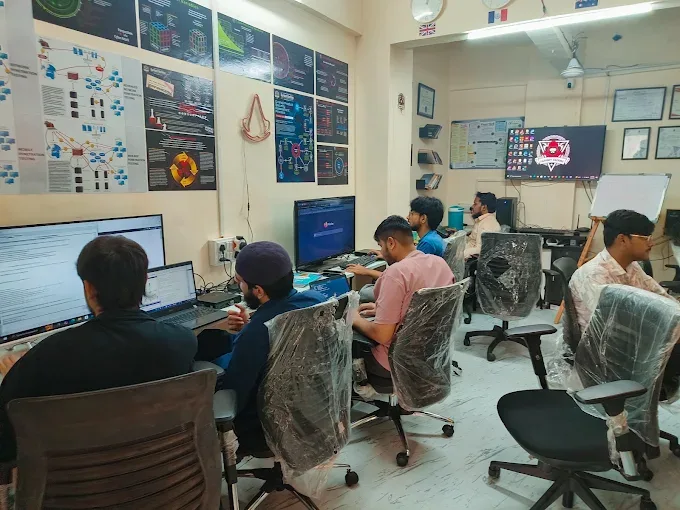
If you are comparing in-person options in Mira Road, confirm the exact location, current batch schedule, teaching format and what lab access is included before travelling or paying. The Mira Road cybersecurity information page and the cybersecurity learning roadmap explain the available learning paths. You can also review the course library and ask the institution about current arrangements; availability can change.
What a beginner portfolio can show
A good portfolio is not a list of tools. It shows how you think. One concise, well-written project can be more informative than many copied screenshots. Include:
- the authorised scope and test environment;
- the question you set out to answer;
- evidence that does not expose secrets or personal information;
- the impact in plain language;
- a reasonable mitigation and a way to verify it;
- what you would improve next.
That habit—observe, explain, fix and verify—transfers across penetration testing, application security and defensive monitoring.
Frequently asked questions
Can I start learning cybersecurity with no experience?
Yes. Start with computer, networking and operating-system fundamentals, then move into web security and supervised labs. You do not need to begin by attacking real systems or memorising advanced tools.
How long does it take to learn cybersecurity?
There is no single timeline. A few months can build foundations and a small project; job readiness depends on prior experience, study time, practice quality and the role. Treat learning as a progression, not a guaranteed 12-week career transformation.
Is ethical hacking legal in India?
Security testing must be authorised by the owner and limited to the agreed scope. Do not test public systems just because they are accessible. When in doubt, do not proceed until you have explicit permission and understand the rules.
Which course should a beginner in Mira Road compare first?
Compare foundation-first syllabuses that cover networking, Linux, web basics, security principles and authorised lab practice. Ask about teaching support, fees, schedule and what the certificate means before deciding.
Does completing a course guarantee a cybersecurity job?
No responsible course can guarantee an employer’s hiring decision. A course may provide structure and feedback; learners still need to build skills, demonstrate their work and apply for roles that match their experience.
One useful next step
Pick one foundation topic this week—networking, Linux or web requests—and explain it in a page of notes. Then practise one safe exercise in a lab you are allowed to use. Small, repeatable progress beats a rushed search for shortcuts.
If you want to check what is currently taught at Darknet Hacking Institution in Mira Road, see the cybersecurity section or contact the institution with questions. You can verify the location on the Google Maps profile. For updates, find Darknet Hacking on Instagram, Facebook, LinkedIn and X.
About the author: Faizan Mark is the founder of Darknet Hacking Institution. This guide is educational information, not a job, salary or certification guarantee. Course schedules and availability should be confirmed directly with the institution.